Exploring the Depths of the Fermi Paradox
The Fermi Paradox presents a profound question that has intrigued scientists and philosophers alike: If the universe is so vast, replete with countless stars and planets, why have we not yet encountered signs of extraterrestrial life? Named after physicist Enrico Fermi, this paradox challenges our understanding of life beyond Earth, prompting a deeper inquiry into the factors that may contribute to our seemingly lonely existence in the cosmos.
Put in layman's terms, if intelligent life should be everywhere... why haven't we found it?
The Cosmic Scale of the Fermi Paradox
The Future of Extraterrestrial Exploration
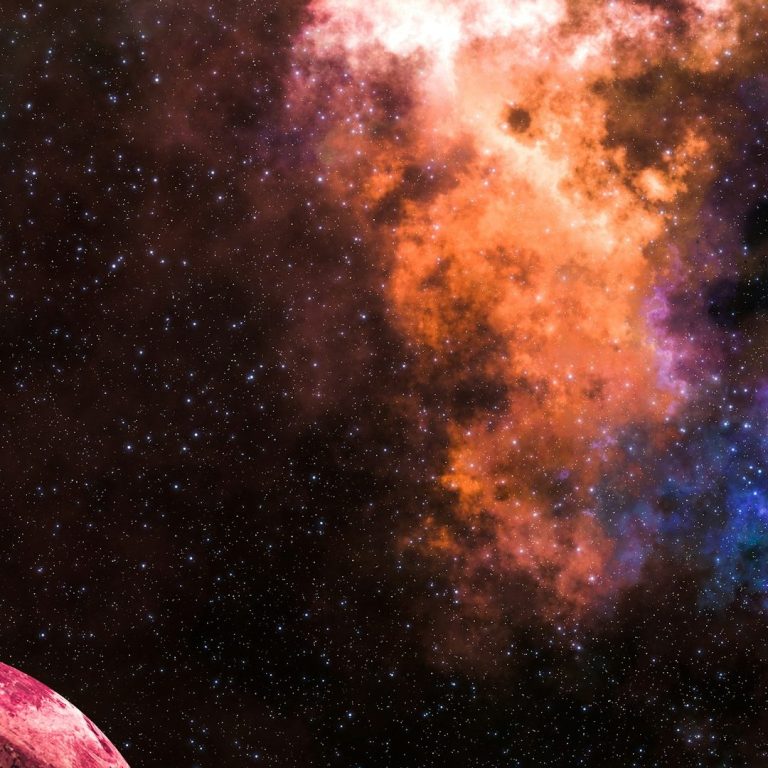
Consider the sheer scale of the universe. With billions of galaxies, each containing billions of stars, the potential for habitable planets is staggering. This cosmic context makes the silence we experience all the more perplexing. The Fermi Paradox invites us to reflect on whether intelligent life is exceedingly rare or whether civilisations rise and fall in cycles, perhaps leaving no trace behind to discover.
As we advance technologically, the possibilities for discovering extraterrestrial life expand. The development of new telescopes and probes may soon allow us to detect biosignatures or signs of intelligent life across the cosmos. However, the question of what we would do upon finding such evidence continues to fuel philosophical debates about humanity's role in the universe and our responsibilities as a potential interstellar species.
Unveiling the Significance
Our Place in the Cosmos
Understanding the Fermi Paradox is essential for our quest to uncover alien civilisations. It encourages interdisciplinary dialogue across astronomy, philosophy, and biology, as scholars develop theories to explain the silence. Are we alone because technological civilisations tend to self-destruct? Or, is it possible that advanced beings are deliberately avoiding contact? This inquiry holds substantial implications for our future in a potentially populated universe.
Ultimately, the Fermi Paradox serves as a mirror reflecting our own nature and aspirations.
The universe contains hundreds of billions of stars, many with planets capable of supporting life. Statistically, intelligent civilisations should be common. Yet the cosmos remains eerily silent.
This mystery lies at the heart of much of The Ragged Time mythology, where the answer may not be that nobody is out there... but that someone has been quietly watching all along.